


Bitcoin bonds adviser Keiser backs El Salvador
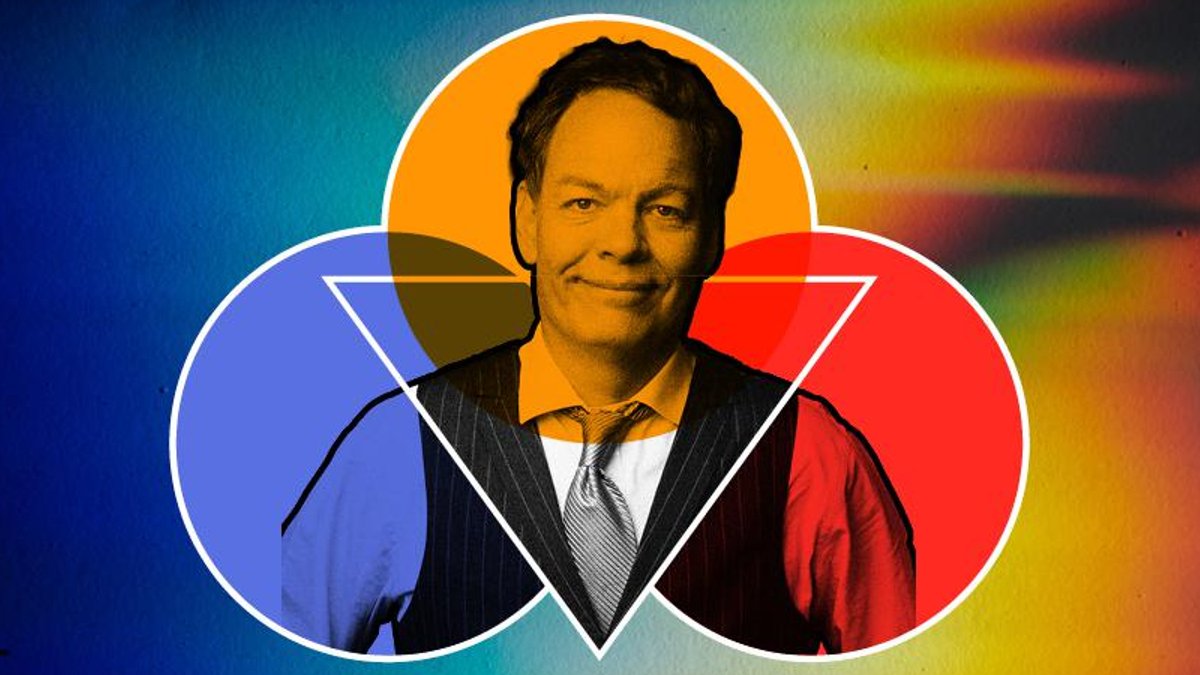
Max Keiser, a longtime financial commentator and bitcoin advocate, has become an informal adviser to El Salvador’s government as it prepares to issue $1 billion in bitcoin-backed bonds. The bonds aim to fund a planned “bitcoin city” and geothermal-powered mining operations, with half the proceeds allocated to purchasing bitcoin.
From stockbroker to bitcoin advocate
Keiser, 63, was born in Westchester, New York. He worked as a stockbroker in the 1980s at firms like Paine Webber and Oppenheimer & Co. before shifting to media. He co-founded the Hollywood Stock Exchange, a virtual market for trading celebrity shares, and later launched a hedge fund that shorted companies facing reputational crises.
His media career includes appearances on Al-Jazeera, BBC News, and Iran’s Press TV. In 2009, he and his wife, Stacy Herbert, started The Keiser Report on RT, the Russian state-backed network. The show mixed financial news with Keiser’s often confrontational commentary, frequently targeting Wall Street banks.
Keiser started promoting bitcoin around 2013. He interviewed former British lawmaker George Galloway about using the cryptocurrency to revive London’s economy and later created two of his own—MaxCoin and StartCoin. By the mid-2010s, he predicted a country or city would eventually abandon traditional currency entirely in favor of bitcoin.
His messaging became more populist over time. He described bitcoin as “unconfiscatable wealth” and a future “global reserve currency,” often wearing a tie printed with bitcoin symbols on air. On Twitter, he rebranded himself from “Bitcoin Maximalist” to “Bitcoin Ambassador.”
A bond plan built on volatility
El Salvador adopted bitcoin as legal tender in June 2021, the first country to do so. President Nayib Bukele’s administration later announced the $1 billion bond, with half the funds earmarked for buying bitcoin. The strategy relies on bitcoin’s price rising enough to cover debt obligations, despite its recent 50% decline from its November 2021 peak.
Related: Markets Rally as Fed Signals Rate Cuts
Keiser has promoted the bond’s potential. The country’s national debt totals $23 billion, and officials have indicated future bonds may help reduce it.
His exact role remains unclear. The government hasn’t specified his contributions, but Keiser has shared photos and videos of meetings with Finance Minister Alejandro Zelaya and other officials.
This isn’t his first involvement in Salvadoran policy. Last year, he proposed bitcoin-backed bonds as a way to stabilize the country’s finances. He has also expressed interest in obtaining Salvadoran citizenship, further blending advocacy with potential influence.
The bond plan faces skepticism. Bitcoin’s volatility makes it a risky basis for sovereign debt, and the country’s economic stability remains uncertain. Yet Keiser’s confidence hasn’t faltered. In a recent video, he stood before a Salvadoran volcano, calling it a symbol of the nation’s “energy independence” through bitcoin mining.
Whether the bonds succeed or fail, Keiser’s advisory role signals a shift in his career. For now, his influence appears more symbolic than structural, but his presence in El Salvador’s crypto ambitions is clear.

Markets Rally as Fed Signals Rate Cuts


