


Telegram’s roots in defiance of power
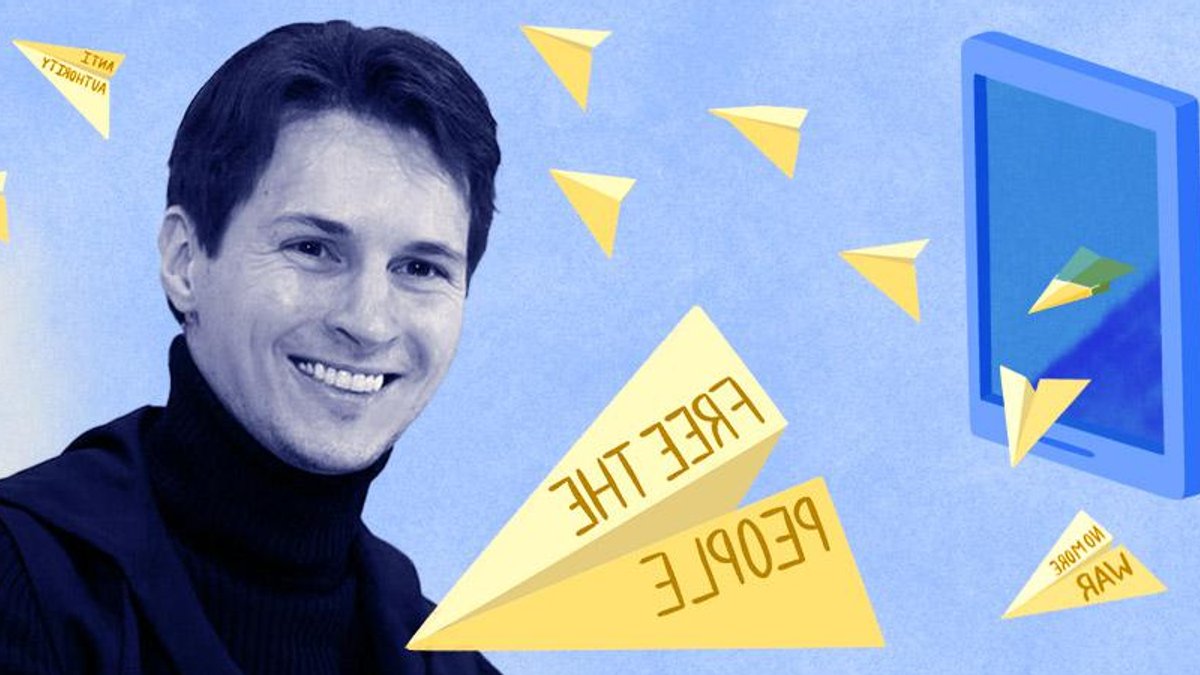
Pavel Durov created Telegram as a direct challenge to governments that once forced him out of Russia. The messaging app, now used by 500 million people worldwide, emerged from his experiences with censorship and surveillance while running the country’s largest social network.
The rise of VK
Durov’s first major venture was VK, launched in 2006 while he was a student at St. Petersburg State University. The platform quickly became Russia’s dominant social network by allowing content competitors avoided, such as pirated music and explicit material. By the early 2010s, VK had over 100 million users, but its success attracted the Kremlin’s attention.
In 2011, authorities demanded Durov shut down opposition groups on VK following mass protests against election fraud. He refused, posting a photo of a dog sticking out its tongue instead. The Russian government pushed him out, and by 2013, he had sold his shares and left Russia permanently. His standoff with the Russian government and dramatic departure from VK only cemented his legendary standing among internet-savvy Russians.
A platform built for dissent
Telegram debuted in 2013 as a secure alternative to mainstream messaging services. Durov funded it independently, avoiding venture capital to maintain control. The app’s encryption and refusal to store accessible user data made it popular among activists, journalists, and dissidents in authoritarian regimes. During the 2019 Hong Kong protests and the 2020 Belarus uprising, it became essential for organizing and sharing uncensored information.
Related: Bitcoin bonds adviser Keiser backs El Salvador
Governments have tried to ban the service for refusing surveillance demands. The dispute highlighted Telegram’s defiance of repressive regimes.
The app’s scale distinguishes it from competitors. While WhatsApp limits groups to 256 members, Telegram supports up to 200,000. Its channels function like broadcast networks, with some gathering over a million subscribers. During Russia’s invasion of Ukraine, the platform became a primary source of real-time updates, used by both Ukrainian officials and Russian propagandists to shape narratives.
Durov has balanced free speech with moderation. Telegram has banned channels affiliated with violent groups but has resisted removing misinformation. The stance has drawn criticism but aligns with his belief that governments and corporations shouldn’t control information.
Despite its global reach, the service remains unprofitable. Durov has avoided traditional monetization, though the company recently tested sponsored messages in public channels. User numbers have more than doubled since 2020, making it the most popular social app in Russia and Germany, and a top platform in the U.S. and U.K.
Related: How to Use LinkedIn Sales Navigator for Effective Lead Generation
Durov keeps a low profile. He rarely gives interviews, communicating instead through Telegram or cryptic Instagram posts. His distrust of authority, formed during his conflict with the Kremlin, continues to shape the app’s direction.
The platform has become indispensable where free speech is threatened. Yet its hands-off approach raises concerns about whether a service built to evade government control can effectively regulate itself.
The app’s future depends on how long its founder can balance growth with his anti-establishment principles.
As digital privacy debates intensify, Telegram’s model offers an alternative for those seeking secure communication. Firms exploring similar approaches may find new financial strategies to support independent platforms.

Bitcoin bonds adviser Keiser backs El Salvador


