


El Niño’s ripple effect on fish and fruit
Scientists forecast one of the strongest El Niño events on record, with Pacific Ocean temperatures expected to rise 3.5°C above average. That increase is nearly a full degree higher than the previous peak in 2015. The economic and agricultural consequences remain largely overlooked, even as global food supplies face new strain.
According to the U.S. National Oceanic and Atmospheric Administration, the probability of a “very strong” El Niño stands at 81%. This classification applies to warming above 2°C. The effects will extend beyond weather patterns, influencing supermarket prices and currency markets alike.
How a warming Pacific disrupts global food chains
Peru, highly exposed to El Niño, could lose over a percentage point of GDP growth as extreme weather damages infrastructure and deters investment. The impact will spread globally. Peru leads blueberry exports, shipping over $2.5 billion worth in 2025. A poor harvest would reduce global supply and drive up prices.
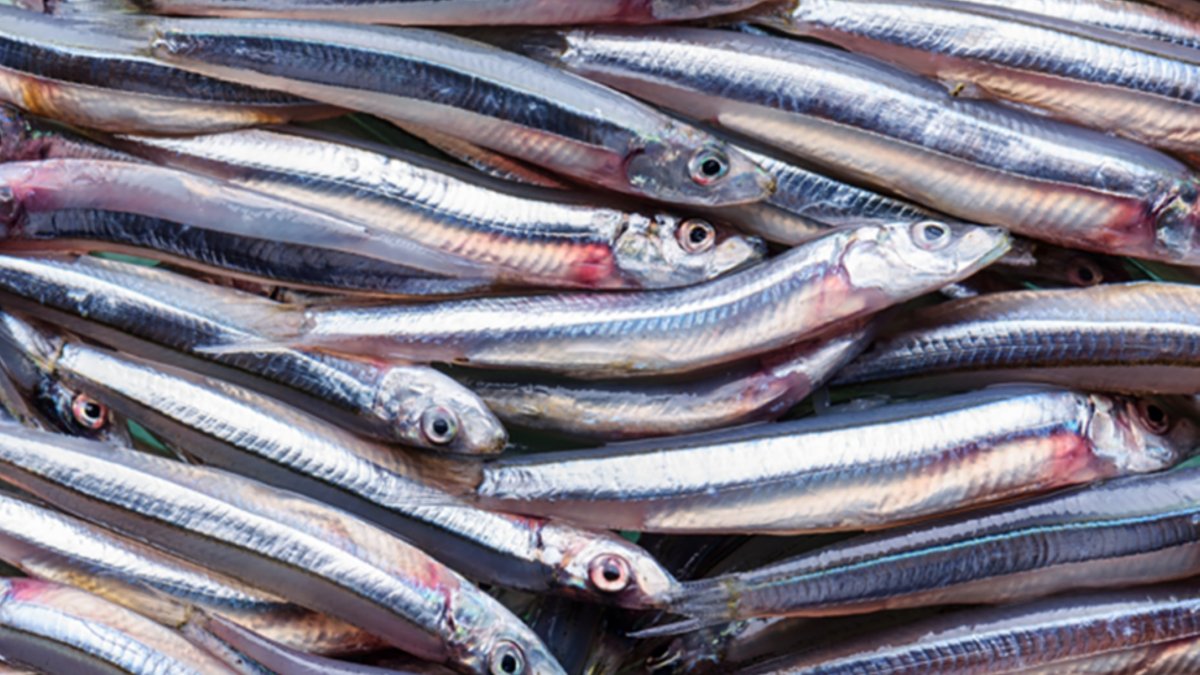
The anchovy industry faces similar risks. Peru’s fishery is the largest in the world by volume, but El Niño forces the fish into deeper, cooler waters, often making them infertile. The country usually has two fishing seasons; in 2026, it may miss at least one. Peruvian anchovies supply 20% of the world’s fishmeal, a critical feed for farmed fish, livestock, and aquaculture. The outcome will be higher seafood prices worldwide.
Related: Access Bank sells 7.44% stake on Ghana market
Crop yields will also suffer. Australian wheat production may drop by up to 60%. Global cocoa and coffee output could fall 15%. Brazilian corn is projected to decline 10%. These challenges arrive as fertilizer shortages worsen. The closure of the Strait of Hormuz, which carries 30% of the world’s nitrogen and 50% of its sulfur, compounds the problem. The Panama Canal, operating at reduced capacity due to low water levels, will further increase shipping costs.
The disruptions come at a difficult time. Food prices already weigh more heavily in inflation baskets for emerging markets than energy does, especially in Asia. The gap between the looming shock and market expectations is notable. While oil prices dominate headlines, food supply constraints and their inflationary effects remain undervalued. Fixed-income, currency, and agricultural commodity markets could experience significant volatility as El Niño’s impact unfolds, yet few investors seem prepared.
For now, attention stays on energy costs and geopolitical tensions. As planting season begins in the southern hemisphere and El Niño intensifies, the economic toll will become impossible to ignore. The issue is not whether food prices will rise but how sharply—and who will struggle to adapt.
The Pacific’s warming waters will reshape global trade, inflation, and economic stability. The changes will unfold gradually, affecting everything from supermarket prices to currency markets.

Access Bank sells 7.44% stake on Ghana market


