


Retail future to have no cashiers
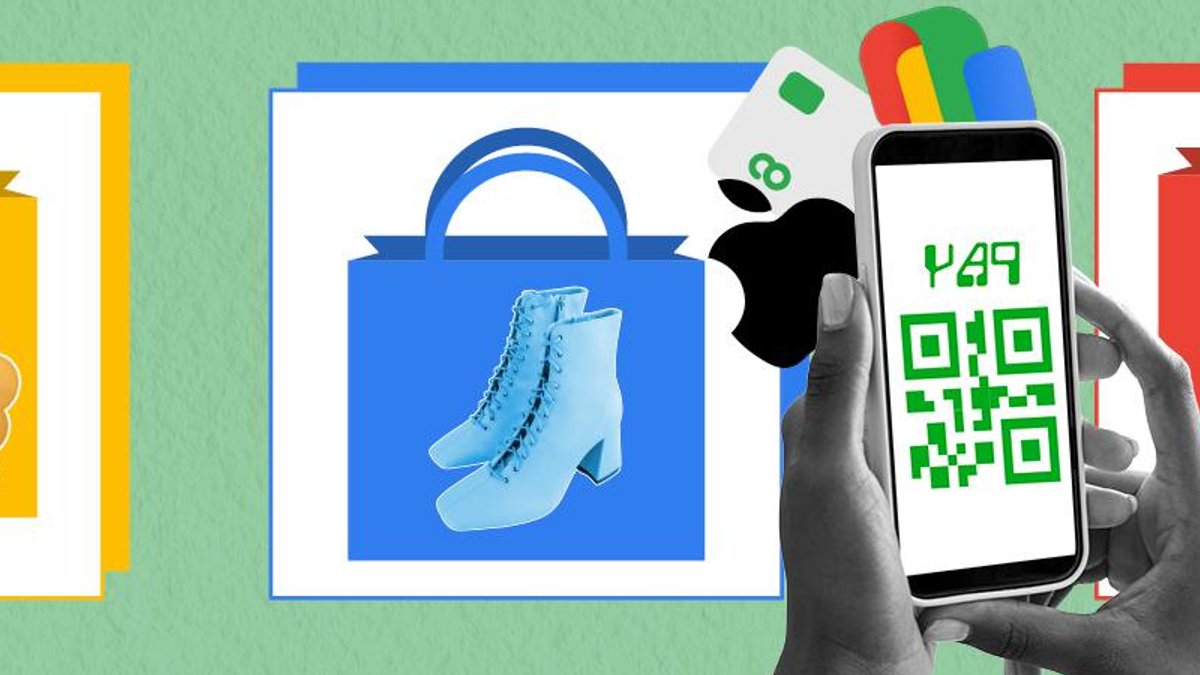
The future of retail is coming. It won’t have cashiers.
No Lines, Just Phones
Walk into a boutique for Weekday, the H&M Group’s streetwear brand in Copenhagen, and you notice shoppers aren’t lining up at a check-out counter. Instead, they scan tags on the items with an app on their phones, stopping by the exits to leave hangers and security tags, and walking out.
Similar setups are popping up beyond Amazon Go grocery locations. Just this week, Apple announced it’s allowing retailers to use an iPhone to accept contactless payments through a new feature called “Tap to Pay on iPhone.” This move lets businesses accept payments via Apple Pay or contactless cards without needing an extra terminal or hardware, a change that could allow retailers to let customers buy products with a simple tap starting later this year.
Related: Twitter fraudster Alex DeLarge charged in penny stock scheme
“We’re making it easier than ever for businesses of all sizes — from solopreneurs to large retailers — to seamlessly accept contactless payments and continue to grow their business,” said Jennifer Bailey, Apple’s vice president of Apple Pay and Apple Wallet, in a statement.
The global self-checkout system market was estimated at $3.1 billion in 2020, according to ResearchandMarkets.com. It is expected to nearly double to $5.9 billion by 2026. Although the systems can seem like a novelty or an annoyance to some customers, industry insiders expect them to eventually become the norm. The Forrester analyst group forecasts that contactless checkouts are bound to see growth in 2022. Over half of U.S. retailers offer contactless payments in-store, while 57% of American adults who used contactless payments initially during the pandemic expect to continue using it.
Security and Hybrid Shopping
Expanding self-checkout beyond grocery stores and pharmacies requires some specialty. Zliide works mainly with fashion retailers, which usually impose a high level of security to prevent shoplifting. The company replaces standard security tags on each garment with a “Zliide tag.” These tags do double duty, serving a security function while also being used by customers for scanning and making purchases. The tag unlocks itself after self-checkout via an app and the customer can remove it before leaving the store.
Another trend that could fuel wider adoption of self-checkout is consumers’ use of hybrid shopping, by fusing their online shopping habits with in-store experiences. Often customers today research products online before coming into a store or buying them. Sometimes customers buy products online and then come to the store to pick them up.
Related: Luxury Jewelry: The Allure of Lab-Grown Diamonds
Self-checkout further marries convenience with technology, ideally making in-store shopping just as quick and convenient as buying a product online. Mogelmose says there’s still room for improvement, however. “When it comes to self-checkout, we will see more solutions with a sharper focus on the speed of deployment and cost for the retailer,” he said.
Companies like Scandit are working with brands like Levi’s, Aldo and Sephora for fast-track seamless shopping experiences, which are done through mobile devices. FutureProof Retail is another company gaining steam in the contactless checkout experience. Their tech allows customers to scan products and check out via a mobile app, so there’s no waiting in lineups. On average, this process takes a total of 12 seconds, because most of the stores doing this allow customers to scan while they shop.
While the technology is advancing, the physical store isn’t disappearing. Mogelmose doesn’t expect in-store shopping to go away. “We will still have stores in the future, but it’s clear that the role of the store is also changing,” he said.

Twitter fraudster Alex DeLarge charged in penny stock scheme


