


Indigenous chef builds thriving hospitality empire rooted in culture
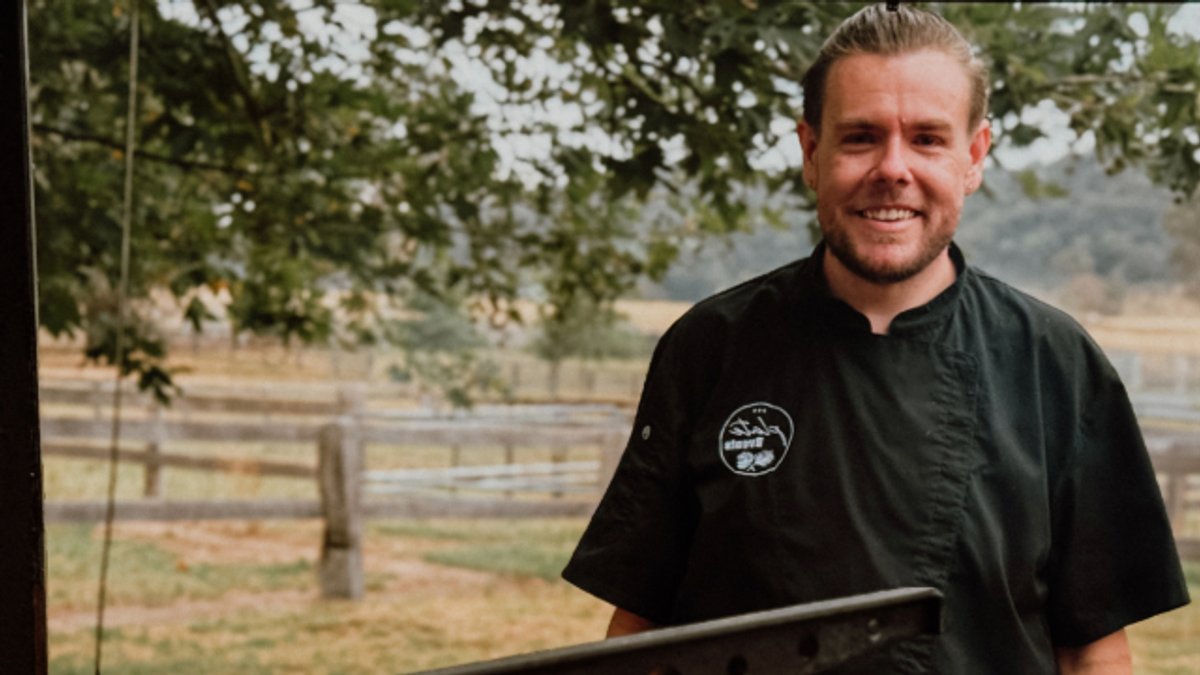
Matt Atkins has constructed an eight-brand hospitality network from a single cake order, merging culinary expertise with Indigenous cultural principles into a business framework that benefits both his community and Australia’s native food sector.
The enterprise originated with baked goods. After completing chef training, Atkins established a cake operation that soon evolved into full-service catering as clients recognized his heritage-informed approach. His mother, Jo, a florist with a knack for event design, became an accidental collaborator when customers requested coordinated food and floral services. Their combined skills formed Plate Events & Catering, which now manages corporate, government, and private functions while offering mobile coffee stations, equipment rentals, and other services.
That initial partnership has since expanded into Plate Hospitality Group, an umbrella organization encompassing eight specialized brands. Chef Matt Atkins oversees public appearances and culinary workshops. Wilka Thalta operates food trucks and temporary kitchen setups. Nguuwalaana Indigenous Dining provides high-end cultural dining experiences. nunka Australian Native Foods distributes ingredients to home cooks and retail partners. nunka Hampers & Gifts curates gift collections showcasing First Nations businesses. Nguuwa Venues offers event spaces for dining and cultural experiences. Plate Providore supports hospitality and wholesale customers.
Culture as the business’s foundation
Cultural integrity drives every aspect of the business. Atkins, whose Malyangapa and Barkindji lineage informs all decisions, ensures that ingredients, packaging, and waste management align with Indigenous values. Eliminating food waste is a fundamental rule: unused components are repurposed, and products like scented planters serve dual functions. “Every decision starts with culture and our responsibility to care for Country,” he says, emphasizing that operational decisions also serve broader community interests.
Read Also: Australian retailers launch kindness campaign to curb holiday abuse
This philosophy supports larger social objectives. Atkins’ companies actively participate in Closing the Gap programs by prioritizing Indigenous hiring and supplier partnerships. His workforce is 75 per cent Indigenous and supply chain is 85 per cent Indigenous, putting that commitment into practice. “My advocacy includes being a Landcare NSW Ambassador and participating in government roundtables,” Matt says. “I appeared at Vivid Fire Kitchen in 2025 and contributed to Fine Food Australia’s 2026 discussion about the $80 million native food opportunity. I use platforms like these to advocate for stronger First Nations representation, ownership and participation.”
The business leverages storytelling to bridge culture and commerce. Atkins and his mother use food as an entry point for conversations about native ingredients and their cultural roots. “Someone might taste a native ingredient for the first time and ask where it grows or how it is used,” he explains. “That curiosity can lead to a much broader conversation about Country, culture and community.”
Global exchanges build cross-cultural food connections
Internationally, Atkins has shared food and cultural knowledge with the Enoch Cree Nation in Canada, and through exchanges with Paiute and Nuwuvi peoples in the United States and cultural experiences in Hawaii, Bali, New Zealand, Polynesia and Fiji. “I’m interested in learning as much as sharing,” he says. “Our cultures are distinct, yet connections around food, land, family and hospitality often feel familiar.”
Over the next 12 months, Matt’s major focus is moving further into the venue space through Nguuwa Venues. “Having places where we can bring together our food, service and cultural experiences would give us greater scope to develop what we offer, particularly through Nguuwalaana Indigenous Dining, events and workshops,” he says. “Longer term, I want to export our native food products and explore international venues and partnerships. My experiences overseas have shown me how much curiosity there is about Australian First Nations food and culture.”


