


Stanbic Bank Leads Ghana with Direct Yuan Settlement
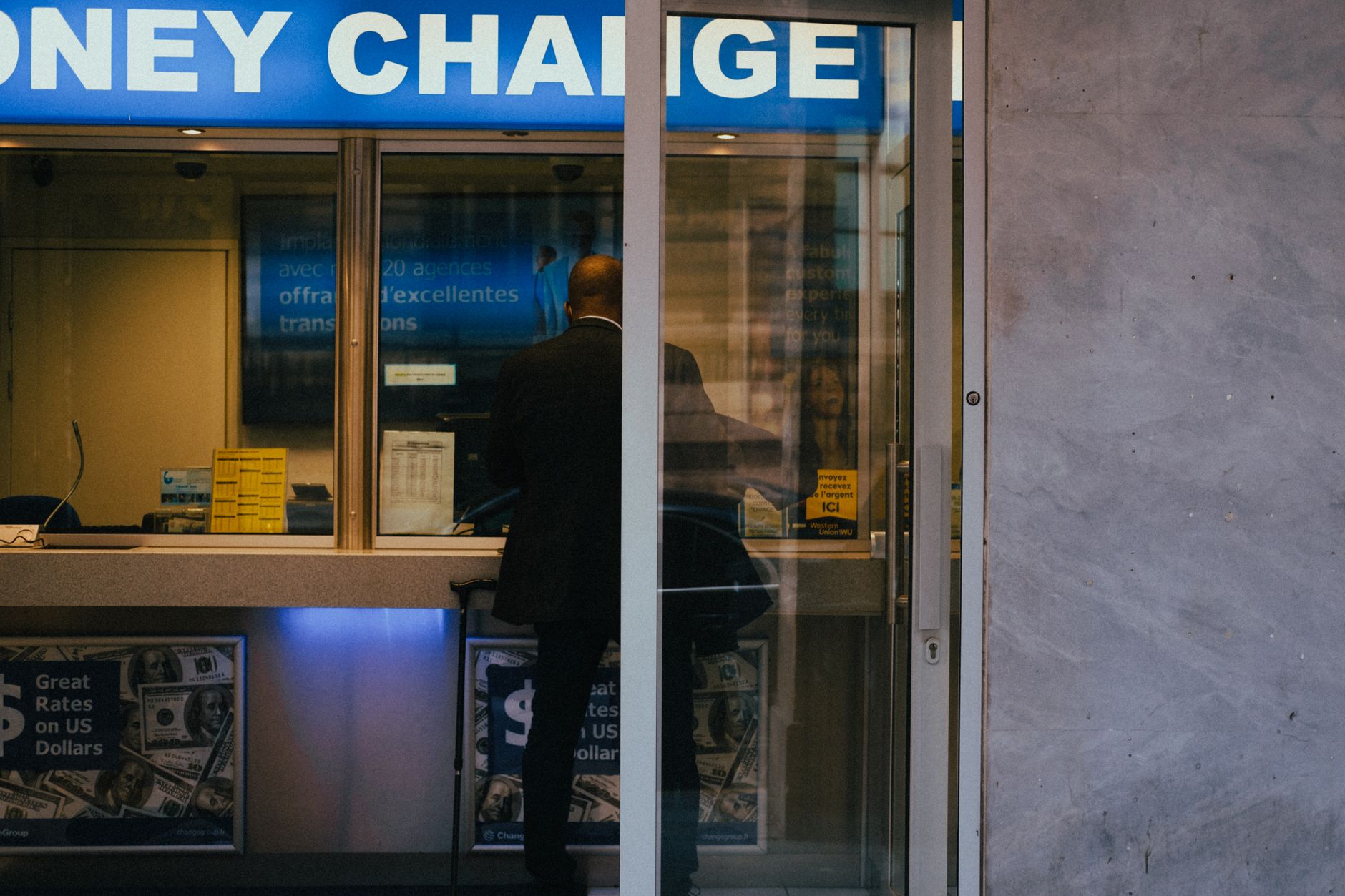
Stanbic Bank Ghana has become the first bank in the country to settle transactions in Chinese yuan directly through the China Cross‑Border Interbank Payment System (CIPS), after receiving clearance from the Bank of Ghana.
Direct yuan payments cut intermediaries
The new service creates a bank‑to‑bank channel for yuan‑denominated payments with China. Businesses and individuals can now move money for imports, tuition, medical expenses and remittances without routing through correspondent banks.
According to the bank’s announcement, the change should speed up payments, lower transaction fees and ease foreign‑exchange settlement for companies that import machinery, electronics and consumer goods from China.
“This is a landmark moment for Stanbic Bank Ghana and for the Ghana–China trade relationship,” said Chief Executive Kwamina Asomaning. “China is one of Ghana’s most important trading partners, and we are committed to providing the financial infrastructure that enables businesses to trade with greater confidence and ease.”
How CIPS fits into Africa’s payment system
CIPS, authorised by the People’s Bank of China, is a wholesale settlement system for cross‑border renminbi transactions. It is increasingly used as an alternative to traditional correspondent‑bank routes, especially where trade with China is expanding.
Related: GoldBod CEO urges African Diaspora to invest long-term
Standard Bank Group, the parent of Stanbic, secured its status as a direct CIPS participant in November 2025. Ghana is among six African markets selected for the first rollout of the service.
In June 2026 the group and the Industrial and Commercial Bank of China were jointly named the Renminbi Clearing Bank of Africa, extending RMB clearing to 19 African nations.
For many Ghanaian firms, foreign‑exchange liquidity has been a persistent obstacle. Multiple intermediary banks often mean longer settlement times and higher costs when paying in yuan. The direct CIPS link aims to reduce those frictions while allowing customers to keep using existing accounts, branches and digital platforms.
While the rollout is specific to Ghana, it reflects a broader push by China to deepen financial ties across the continent. Expanding yuan settlement infrastructure is viewed as a way to lessen reliance on third‑country currencies for cross‑border trade.
From a broader perspective, the move illustrates how African banks are adapting to the realities of a diversifying global payment ecosystem. As trade with China grows, having a native yuan settlement route can make a tangible difference for importers who otherwise juggle multiple conversion steps. The ability to settle directly may also encourage more firms to consider Chinese suppliers, knowing that payment hurdles are being lowered.
Related: Gold Fields defends Tarkwa record Ghana seeks ownership
Implications for Ghana’s trade and finance
Ghana’s trade with China remains significant, covering sectors from construction materials to electronics. The direct CIPS channel could help firms manage cash flow more predictably, especially when dealing with large shipments that require timely payment.
Analysts note that the reduction in intermediary fees could translate into modest savings for businesses, though exact figures will depend on transaction volumes and the prevailing exchange rates.
The Bank of Ghana’s approval indicates regulatory support for diversifying payment options. It also aligns with the central bank’s broader objectives of enhancing the country’s financial infrastructure.
Stanbic’s rollout positions the bank at the centre of the evolving Ghana‑China financial relationship. By offering a direct yuan settlement path, the institution may attract new corporate clients seeking smoother trade finance solutions.
Overall, the introduction of CIPS in Ghana adds a new layer to the country’s payment capabilities, offering a more direct route for yuan transactions and potentially reshaping how businesses engage with Chinese partners.

GoldBod CEO urges African Diaspora to invest long-term


