


Europe’s utility spending spree reshapes credit risk
Europe’s utilities sector is heading into a spending cycle that could reshape its credit profile for decades. After more than ten years of subdued demand, the system is being pushed to modernize, rebuild, and expand at once. Electrification, datacentres, renewable integration, and ageing infrastructure are converging into what the sector describes as unprecedented capital expenditure programmes. The bullish case is simple: rising electricity demand, visible investment pipelines, and improving regulated returns. But the same forces driving growth are also set to change balance sheets, funding needs, and execution risk in ways bondholders haven’t seen before.
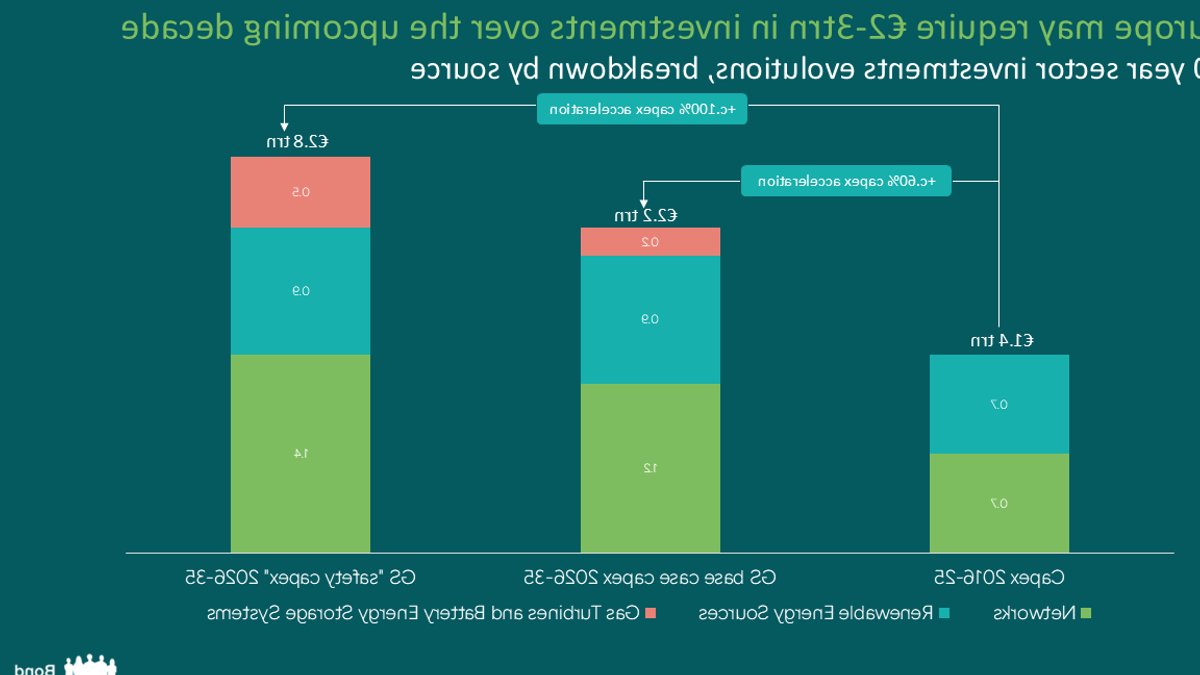
The numbers are staggering. The European power system is expected to require €2–3 trillion of capex between 2026 and 2035 — up to double the previous decade’s spend. According to Goldman Sachs research, power grids alone need €1.2–1.4 trillion of that total. Backup gas capacity adds roughly €200bn, and battery storage needs about €35bn by 2030. Even in the near term, the sector is looking at around €580bn of capex between 2026 and 2030.
Related: Europe’s new energy scare: Crisis or false alarm?
About 85% of that spending is allocated to regulated or contracted activities, which gives bondholders a degree of security. On paper, capex visibility is high and earnings should be supported by regulated returns, particularly for grid operators, and contracted revenues from renewables. But for credit investors, the issue isn’t just visibility of returns. It’s the timing mismatch between spending, cash flow generation, and regulatory recovery. Spending happens upfront. Returns arrive over the long term.
That gap leaves balance sheets under pressure in the interim, even if the ultimate returns look attractive. The sector has seen some large equity cheques, but the vast majority of investment need will be funded by debt issuance. This is a structural change from the past, when utilities could fund investment cycles with a mix of operating cash flow, disposals, and incremental debt while keeping credit metrics broadly stable.
Rating agencies have so far remained largely comfortable with declining funds from operations to net debt and rising debt burdens. But there are marked differences this time. First is the sheer intensity of the capital increase. Second is the societal and political impact of increased pressure on the affordability of bills across all utilities. Third is the mismatch between upfront capex and delayed cash flow realisation.
Related: Auditor-General: GH¢7.5m Paid to Dead Pensioners
For bondholders, this raises three questions. Can they get comfortable with the amount of debt required to fund the capex? How quickly can companies recycle capital through asset sales, project financing, or partnerships? And most importantly, are they being paid to take this risk?
The answers aren’t clear yet, and that uncertainty itself is becoming a factor. The scale of what needs to be delivered is unlike anything the sector has attempted before. Europe must simultaneously retire old assets, build out renewables at scale with increasingly weather-dependent generation, expand and modernise grids that are decades old, and integrate new demand sources such as datacentres. Each of these is challenging in isolation. Doing them all at once introduces coordination risk across supply chains, permitting, and system planning.
In previous cycles, utility credit risk was heavily linked to commodity exposure or regulatory outcomes. This time, execution risk is emerging as a primary credit variable. From a credit perspective, slippage directly translates into cost overruns that raise debt funding needs, project delays that defer cash flows and weaken coverage ratios, and regulatory lag that slows recovery of invested capital.
Related: MTN Ghana faces mobile money lawsuit
Even if returns are contractually or regulatorily supported, cash flow timing becomes uncertain. The sector’s history offers some context here. Past investment cycles in European utilities were often spread out over longer periods, with regulatory frameworks adjusting gradually. This cycle compresses the timeline, and the coordination demands across grids, generation, and storage are far more complex than anything the sector has managed before.
For credit investors, the concern isn’t whether the investments will eventually pay off. It’s whether the companies can carry the interim burden. The regulated nature of much of the spending provides some protection, but it doesn’t eliminate the risk that firms may need to raise more capital than planned, sell assets at unfavourable prices, or face delays in recovering their investments. There could be some bumps along the way.

Europe's new energy scare: Crisis or false alarm?


