


SpaceX asteroid threat to telecom giants
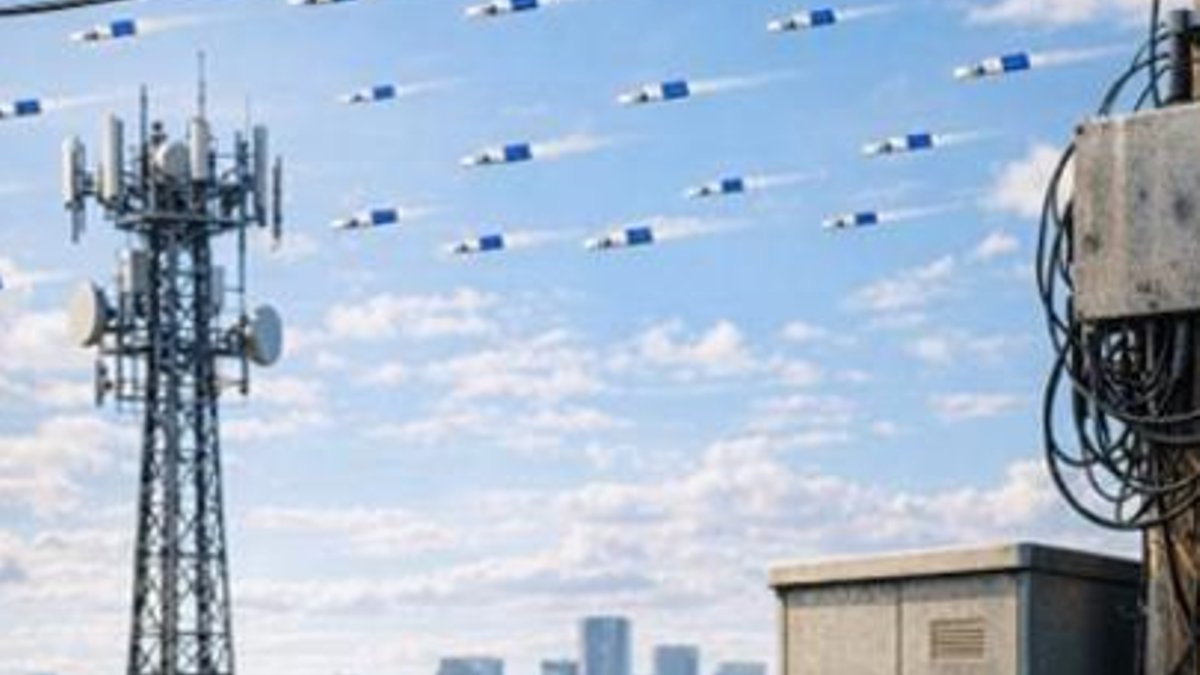
SpaceX’s recent initial public offering raised $75 billion, valuing the company at over $2 trillion. This positions it to disrupt industries beyond aerospace. The most immediate impact may come in telecommunications.
The company’s main revenue source is Starlink, a network of 9,600 low-Earth orbit satellites providing broadband and mobile services to remote areas, ships, and aircraft. In 2025, the Connectivity segment produced $3 billion in free cash flow from nearly 9 million broadband subscribers and 6 million mobile users. Corporate contracts with airlines and maritime operators also contributed.
Starlink’s impact on established providers
The five largest U.S. telecom and cable providers—Comcast, Charter, Verizon, AT&T, and T-Mobile—generated $111 billion in free cash flow last year. They serve 95 million broadband and 275 million mobile subscribers. While the numbers appear strong, SpaceX’s growth suggests this advantage may not last.
Elon Musk plans to launch 10,000 next-generation V3 satellites starting in late 2026. Each will offer 1 terabit of capacity, ten times more than current V2 satellites. This upgrade will push median download speeds from 225 Mbps to levels matching fiber and cable. Prices are expected to fall below the current $66 average monthly cost.
Urban areas present challenges due to line-of-sight requirements and multi-dwelling unit installations. These obstacles affect only part of the market, not the entire industry. Incumbents have responded with defensive strategies, such as bundled discounts from AT&T and Verizon. Such moves may weaken subscriber revenue in a market already slowed by reduced immigration and housing growth.
Cable operators face particular risks. Comcast and Charter have seen their stock prices decline 30% and 70%, respectively, over the past year. The drop accelerated as SpaceX’s IPO neared. Their dependence on broadband subscriptions makes them vulnerable to competition.
Related: Standard Chartered Leads Ghana Bank Pay Rankings
Mobile expansion and acquisition strategies
Musk is not limiting efforts to broadband. While telecom giants downplay Starlink’s direct-to-device mobile service as a niche offering, their actions reveal concern. Verizon, AT&T, and T-Mobile have refused to provide a virtual network agreement. Instead, they formed a joint venture to negotiate as a group. If regulators approve this collaboration, Starlink’s mobile expansion options shrink to two paths: build or acquire.
Building a terrestrial network requires spectrum and infrastructure. Upcoming auctions could increase SpaceX’s resources.
For U.S. telecoms, absorbing a single competitor offers little relief. The real concern is how SpaceX’s capital and ambition could reshape the industry. Tower operators, however, may benefit from increased demand for infrastructure as networks expand.
Europe’s telecom sector faces fewer immediate challenges. Years of competition and regulation have kept prices low. Higher urban density and multi-dwelling units make Starlink’s expansion difficult. Without terrestrial spectrum, SpaceX’s mobile plans are harder to execute. European operators, often criticized for lagging behind U.S. peers, may now find themselves in a safer position.
Consumers in remote areas could gain access to faster, more affordable internet. For telecom giants, the challenge is adapting before their business models face serious disruption.
The change reflects more than satellite technology. It tests whether traditional infrastructure can compete with a company treating the sky as another network. Utility spending patterns in Europe show how rapid investment shifts can alter market stability.

Europe’s utility spending spree reshapes credit risk


