


Milei Marks 1000 Days in Office
One thousand days is a long time in politics, and for Argentina, it has been a period of significant change under the presidency of Javier Milei.
When Milei first took office, the country was embarking on yet another attempt to break free from a cycle of fiscal excess, monetary financing, inflation, capital controls, and crisis.
Milei inherited an economy in severe distress alongside a reform agenda that many viewed as politically impossible to implement.
Today, as Argentina approaches the 1,000-day mark of his presidency, investors can point to something far more tangible: results.
Economic recovery has come with significant social costs, and political controversy remains a constant feature of Milei’s presidency.
Accusations surrounding the LIBRA cryptocurrency scandal have created an unwelcome distraction.
Yet, taken as a whole, the last 1,000 days arguably represent one of the most successful periods of macroeconomic stabilisation Argentina has experienced in decades.
Related: Tech borrowing surge reshapes credit markets
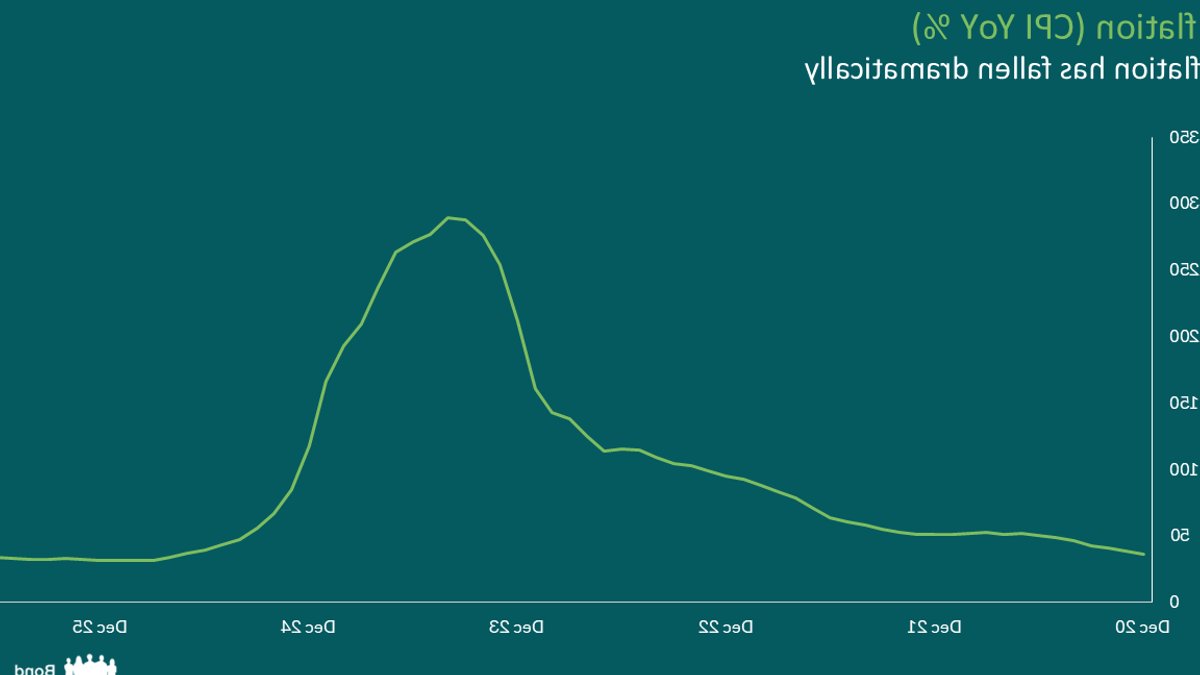
When Milei took office in December 2023, Argentina’s economy was under significant strain, with annual inflation reaching 211% and later peaking at almost 290%.
Since then, inflation has fallen to around 33.5% year-on-year, driven primarily by an aggressive fiscal adjustment, the elimination of monetary financing of government spending, exchange-rate liberalisation, and a broader restoration of policy discipline.
Perhaps the clearest indication of progress can be found in financial markets.
Back in March 2024, Argentine sovereign spreads remained firmly within distressed territory.
Investors were willing to believe the reform story, but they wanted evidence that the government could deliver.
That evidence has increasingly emerged, with all three major rating agencies upgrading Argentina’s sovereign credit profile during Milei’s presidency.
Sovereign ratings influence the pool of investors able to allocate capital.
Related: Court grants order for hotel takeover
Argentina remains firmly below investment grade, but moving away from the distressed end of the spectrum expands the universe of potential buyers and gradually lowers financing costs.
The significance of Milei’s first 1,000 days extends beyond lower inflation, tighter fiscal policy, or stronger sovereign credit ratings.
Argentina has delivered periods of improvement before, only for policy discipline to fade and old vulnerabilities to re-emerge.
However, after decades of recurring crises, policy reversals, and disappointed expectations, the country appears to be moving on to a more sustainable path than many believed possible just a few years ago.
For a country that has spent much of its modern history disappointing even its most optimistic supporters, that alone represents meaningful progress.
As Argentina continues on this path, it is likely that investors will remain cautious, waiting to see if the gains prove durable.
The real test will be whether today’s gains can be sustained in the long term, and if the country can finally break free from its cycle of crisis and instability.

Tech borrowing surge reshapes credit markets


