


Auditor-General flags GH¢94.6m waste in Green Ghana project
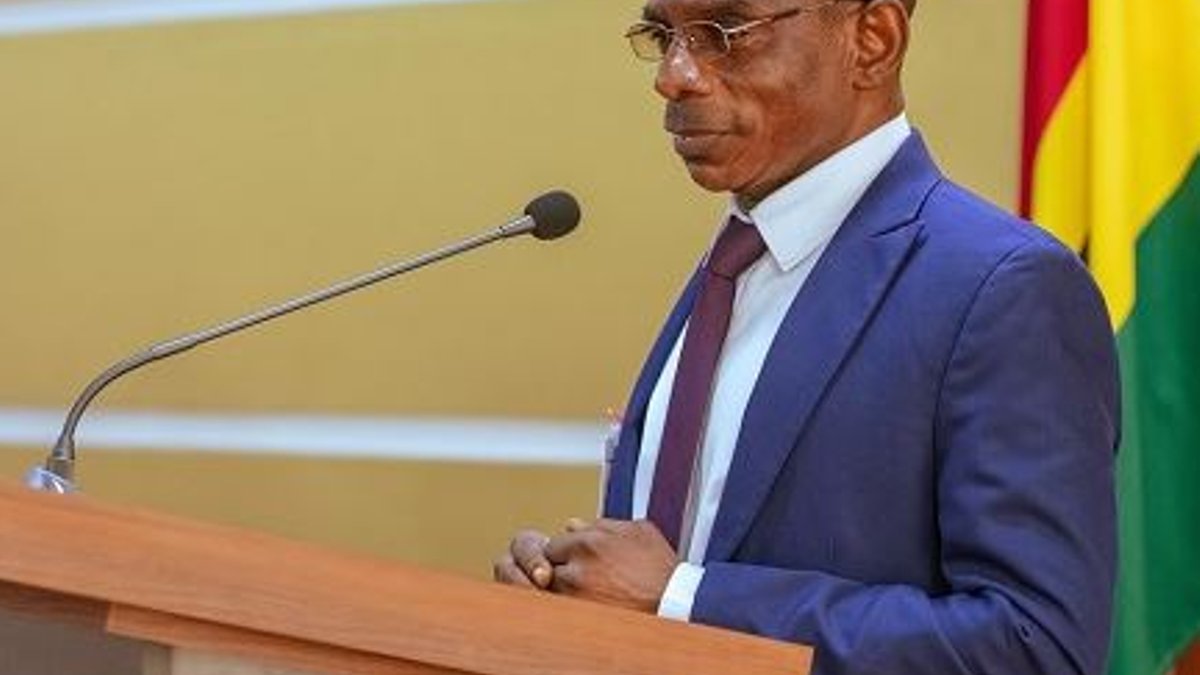
Ghana’s government could have saved about GH¢94.6 million on its flagship tree-planting initiative by using local suppliers instead of awarding a large contract to a private company, a new audit report revealed.
The review covered the Green Ghana Project, conducted by the Auditor-General. It examined how the Ministry of Lands and Natural Resources managed the program between 2021 and 2024.
Higher costs with private supplier
The audit found the Ministry paid GH¢105.76 million to Richie Plantations for approximately 11.1 million seedlings supplied during the 2023 and 2024 editions. The same seedlings could have been purchased from local suppliers at Forestry Commission-approved prices for about GH¢11.13 million.
While approved prices ranged between GH¢0.50 and GH¢1.50 per seedling, Richie Plantations charged an average of GH¢9.50 each, including transportation. The Auditor-General questioned whether the procurement process delivered value, stating there was “no assurance” that the decisions guaranteed it.
Moving away from local suppliers also weakened one of the project’s main goals: creating income opportunities for rural seedling producers. Many of these small businesses were still waiting for payments from previous years, with some owed for deliveries made as far back as 2021.
Local suppliers had proven capacity, audit finds
The Ministry claimed local suppliers lacked the capacity to meet demand, but the audit disagreed. Records showed these suppliers successfully delivered 17.26 million seedlings in 2022—about 65% of all seedlings planted that year. The government’s target for 2023 and 2024 was 10 million seedlings annually.
Government owed 734 local seedling suppliers approximately GH¢39.5 million for seedlings supplied during the 2021 and 2022 editions. Some reported waiting between 36 and 48 months for payment, with several facing serious financial difficulties. Meanwhile, the government paid GH¢70 million to Richie Plantations for the 2023 program alone.
Related: Adidas roots tied to Nazi-era family rift
The Green Ghana Project aimed to restore degraded forests and increase tree cover, but the audit suggests its execution may have missed opportunities to support rural economies.
Planning failures led to high seedling mortality
The audit also identified broader weaknesses in the project’s planning and implementation. Authorities did not conduct adequate soil testing before planting, increasing the risk of seedling failure.
In one case, about 80% of teak seedlings planted at Kpligine community in the Buligu Forest Reserve died because the area was waterlogged and unsuitable for the species.
The report described the budgeting process as unrealistic, contributing to funding shortages, delayed payments, and implementation challenges. The Auditor-General concluded that the Ministry did not adequately plan for the project’s success and that its procurement decisions failed to ensure value for money.
Recommendations included following Forestry Commission-approved prices for future seedling purchases, involving appropriate government procurement units, and settling outstanding debts to local suppliers. The Ministry has not yet responded to these suggestions.
The findings have renewed debate over public spending. The savings could have addressed other pressing needs, including payments to dead pensioners that remain unresolved.

Auditor-General: GH¢7.5m Paid to Dead Pensioners


