


Adidas roots tied to Nazi-era family rift
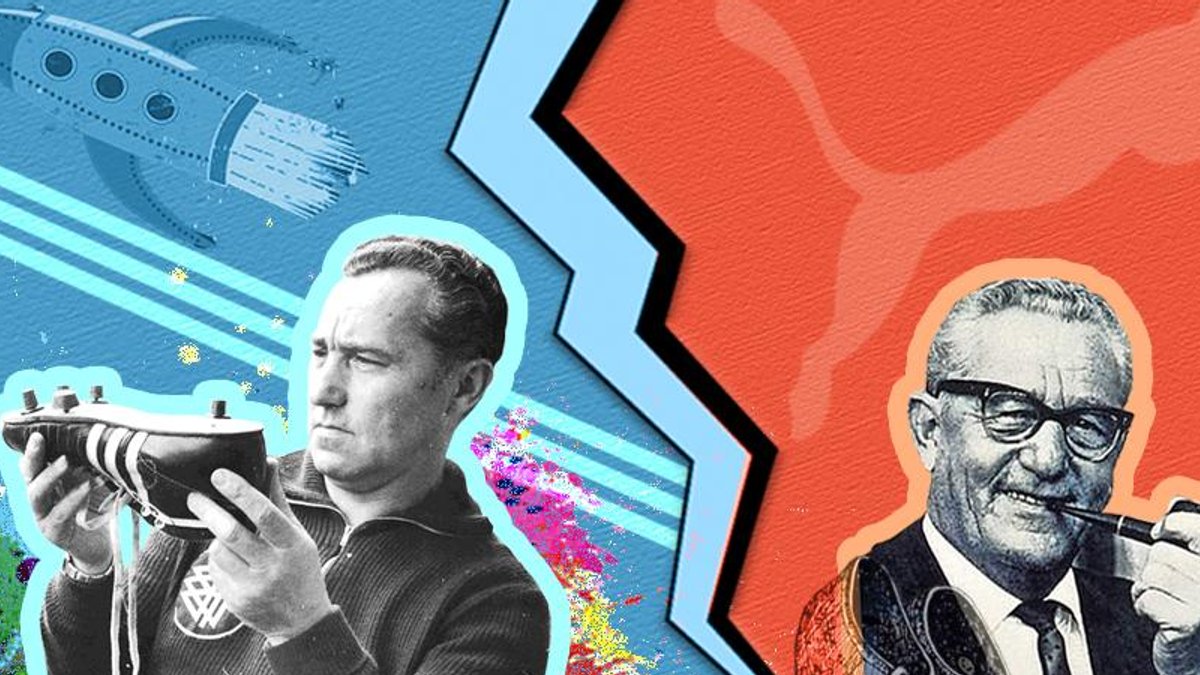
The world’s second-largest sportswear brand originated from a feud that divided a family, a company, and an entire town.
Adidas began in 1924 as the Dassler Brothers Shoe Factory. Adolf “Adi” Dassler started making shoes in his mother’s laundry room after returning from World War I. His brother, Rudolf “Rudi,” soon joined the effort. Together, they transformed a small Bavarian operation into a name recognized on Olympic podiums.
The Olympic moment that launched a rivalry
The brothers secured their first major opportunity at the 1936 Berlin Olympics. U.S. sprinter Jesse Owens wore their spiked shoes, then called Geda, and won four gold medals. Athletes in those shoes earned seven golds, five silvers, and five bronzes. By the late 1930s, the Dasslers were selling 200,000 pairs annually.
Related: Telegram’s roots in defiance of power
Both brothers joined the Nazi Party. During World War II, their factory shifted production to the Panzerchreck, a rocket launcher designed to destroy Allied tanks. At least nine forced laborers worked there. When U.S. troops nearly bombed the factory in 1945, Adi’s wife persuaded them to spare it by highlighting its role in making Owens’ shoes. American soldiers began purchasing the shoes in large quantities, converting a wartime factory into a peacetime success.
Their partnership collapsed after the war. The exact cause remains unclear. Some suggest their wives disliked each other. Others claim Rudi believed Adi had informed the Allies about his location—Rudi had deserted his post and was later imprisoned. Another theory involves Adi’s jealousy over Rudi’s reputation as a womanizer, fearing an affair with his own wife.
The family never confirmed the real reason. What is clear is that in 1948, they closed the factory and parted ways. Adi established Adidas. Rudi founded Puma.
A town split by three stripes and a puma
The division didn’t just end a business—it fractured Herzogenaurach, their hometown of 20,000. Nearly every family had members working for one brand or the other. The Aurach River became a literal boundary: Adidas settled north of it, Puma to the south.
Related: Bitcoin bonds adviser Keiser backs El Salvador
Residents chose sides. They shopped at stores loyal to one company or the other. Barbers, bakers, and bars served either Adidas employees or Puma workers—never both. The town earned the nickname “the town of bent necks” because people checked each other’s shoes before deciding whether to engage in conversation.
The rivalry persisted. When the brothers died in the 1970s, they were buried at opposite ends of the same cemetery.
The group’s loyalty was genuine.
Recovery from near-collapse to global leadership
The early 1990s nearly destroyed Adidas. The company nearly went bankrupt until investor Robert Louis-Dreyfus took control in 1994. He didn’t change the products—he improved their marketing. Adidas went public in 1995 and launched its first website that same year.
Related: Market Trends for Early July
Strategic partnerships aided its recovery. In 2005, Adidas collaborated with designer Stella McCartney to create a line for women seeking both style and performance. The partnership aligned with the growing athleisure trend, producing eco-friendly collections that continue today.
Puma remains a distant third in the global market, with $5.9 billion in revenue in 2020. Neither company is still managed by the Dassler family. Yet the impact of their feud endures—not only in the brands they created but in the town that never fully reconciled.
The story behind Adidas involves more than footwear. It reflects ambition, competition, and a family torn apart by history. The three stripes on every sneaker represent that legacy.

Telegram’s roots in defiance of power


