


China’s Zero-Tariff Policy Opens Ghana Export Opportunity
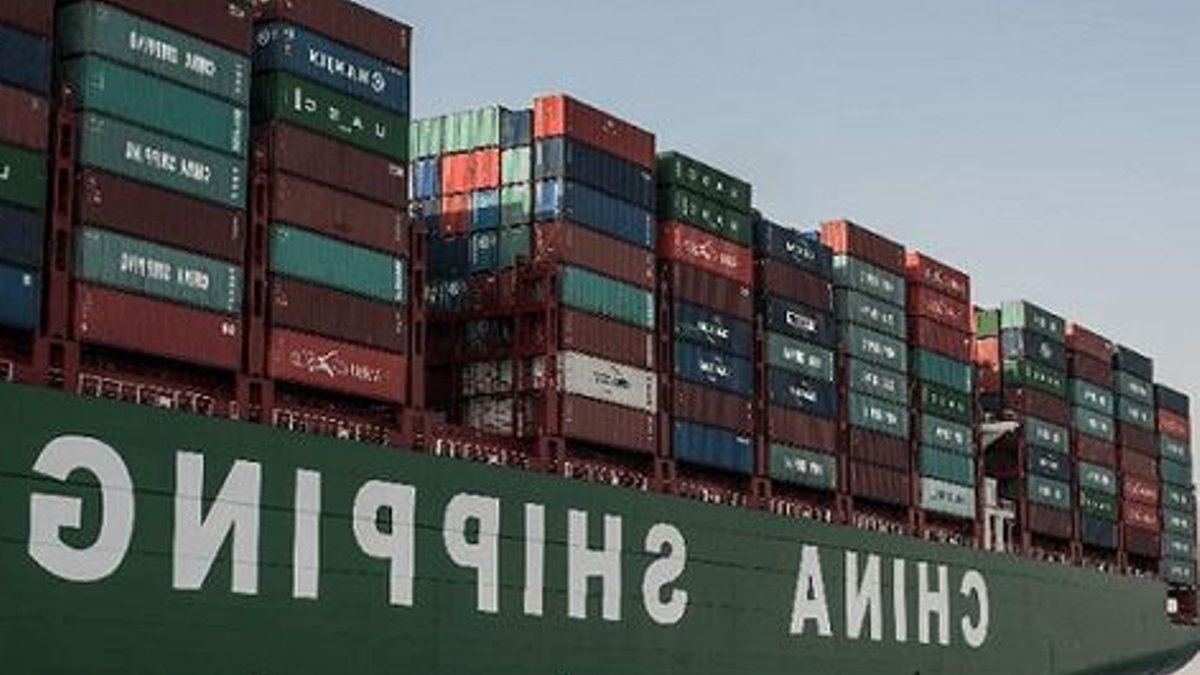
China’s zero-tariff policy offers Ghana an export opportunity, but competitiveness will decide the outcome. The policy grants zero-tariff treatment to imports from all 53 African countries with which China has diplomatic relations, creating a significant opportunity for Ghana’s export sector. The benefits will depend less on market access than on the country’s ability to compete, according to the report.
Market Access and Economic Impact
The policy removes tariff barriers for a wide range of African products entering China, potentially improving the price competitiveness of Ghanaian exports. These products range from agricultural products and processed foods to manufactured goods. For Ghana, where expanding export earnings, creating jobs and diversifying the economy remain central policy objectives, the move offers access to one of the world’s largest consumer markets.
The government is seeking to strengthen foreign exchange inflows and reduce dependence on a narrow range of commodity exports. China has become one of Ghana’s largest trading partners, and the zero-tariff initiative forms part of Beijing’s broader effort to deepen economic ties with African countries through trade, investment and infrastructure cooperation. While the removal of tariffs is a clear step forward, the report notes that this move is a continuation of a long-standing pattern of preferential trade agreements.
Related: Gold Fields defends Tarkwa record Ghana seeks ownership
In previous instances where developing nations have received preferential market access without concurrent improvements in production quality or logistics, the expected surge in trade has often failed to materialize. The success of this policy will likely follow a similar pattern, serving as a catalyst only if domestic production capabilities are aligned with the specific demands of the target market. [1] This economic environment closely mirrors the challenges seen in mining operations, where securing stable leases is essential for long-term viability.
Challenges for Exporters
Analysts say tariff-free access alone is unlikely to translate into higher export volumes unless Ghanaian producers can meet Chinese quality, safety and sanitary standards. Exporters of food and agricultural products, in particular, will need stronger testing, certification, traceability systems and closer coordination with regulators and export-support institutions. Chinese buyers typically require reliable volumes, uniform product quality and timely delivery, conditions that many small and medium-sized Ghanaian producers struggle to meet individually.
High shipping costs, limited cold-chain infrastructure and delays across the export supply chain remain significant obstacles, particularly for perishable agricultural products. Access to affordable export finance is equally critical, as businesses need working capital to expand production, obtain certification, improve packaging and manage the often lengthy period between shipment and payment. Products that succeed in Ghana may require different packaging, labelling, branding and distribution strategies in China, making partnerships with Chinese importers and distributors increasingly important.
Related: Retail future to have no cashiers
A Strategy for Success
Greater producer aggregation, stronger cooperatives and investment in processing facilities could help address those limitations. Industry experts argue that Ghana’s response should focus on a small number of products with strong demand potential in China rather than a broad export strategy. Targeted support for certification, market intelligence, trade facilitation and export financing would likely produce faster results than general promotional campaigns.
Ghana’s trade representatives in China could also play a larger role by identifying buyers, facilitating business partnerships and helping local producers handle regulatory and commercial requirements. The policy presents a useful opening, but the country’s export performance will ultimately depend on improvements in production capacity, standards compliance, logistics and institutional support.

Gold Fields defends Tarkwa record Ghana seeks ownership


