


Lawyers at Migranteu outlined the main benefits of repatriation programs
In a number of European countries, citizenship can be obtained based on the applicant’s origin, previous citizenship, or the citizenship of their ancestors. Such procedures are in place, in particular, in Romania, Bulgaria, Hungary, Poland, Germany, Italy, Ireland, Croatia, Latvia, and Lithuania.
The immigration firm Migranteu notes that the main advantage of these programs is the ability to obtain citizenship without having to reside in the country for many years on a residence permit. However, the requirements vary: one country accepts applications from great-grandchildren, another limits the procedure to children and grandchildren, and a third requires knowledge of the official language or an actual move to the country.
Access to Citizenship Rights
Successful completion of the program can result in full citizenship, rather than a temporary residence permit. Full citizenship does not require regular renewal and typically grants the right to live, work, study, and conduct business in the relevant country indefinitely.
Citizenship can expand educational and professional opportunities for children, simplify international travel, and provide access to consular protection. However, the scope of these rights and the procedures for exercising them must be evaluated on a country-by-country basis.
Where in Europe Are Repatriation Programs in Effect?
The most accessible procedures are available in the countries of Central and Eastern Europe. In Romania, under Articles 10–11 of Law No. 21/1991, former citizens and their descendants up to and including the third degree may apply for citizenship. No prior residence is required, and the average processing time is 18–24 months. In Bulgaria, descendants up to the third degree may apply for citizenship, and the statutory processing time is up to nine months. Hungary accepts applications from descendants of Hungarian citizens without any mandatory residence requirements but requires knowledge of the Hungarian language. The procedure typically takes 12–18 months.
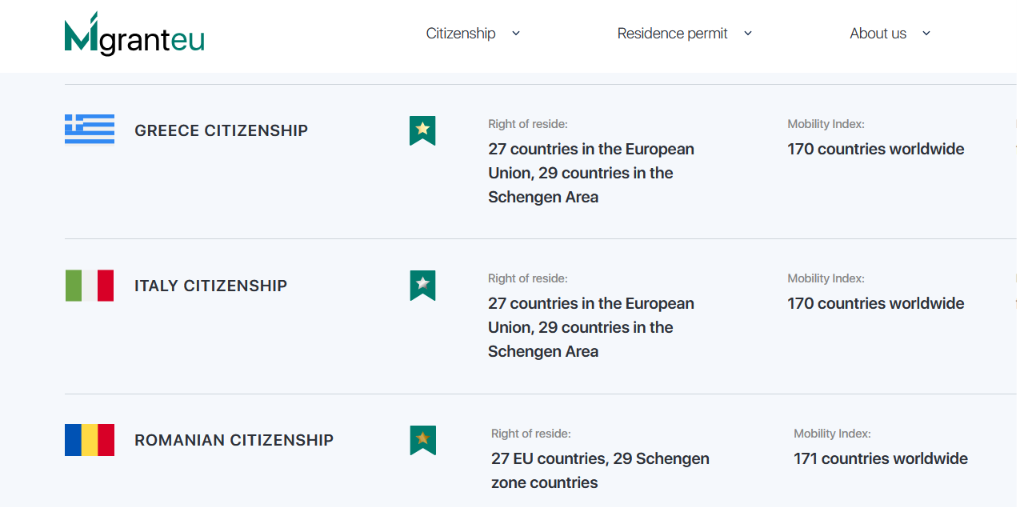
In Italy, following the 2025 reform, citizenship by descent is primarily available to children and grandchildren, subject to additional conditions. Taking into account the wait for a consular appointment, the process can take 1–3 years. In Ireland, grandchildren of people born on the island can be registered in the Foreign Births Register in approximately nine months.
Germany restores citizenship to individuals who were stripped of it during Nazi persecution and to their descendants. Residency and a standard language exam are not required, but archival checks can take anywhere from one to three years. In Poland, the repatriation program is designed for specific categories of people of Polish descent from the former Soviet Union and requires an actual move to the country. Citizenship is granted upon entry on a repatriation visa.
Similar procedures exist in Croatia, Latvia, and Lithuania. Croatia accepts applications from emigrants and their direct descendants; processing typically takes 12–24 months. In Latvia, the processing time for exiles and their descendants is up to four months, while in Lithuania, applications for the restoration of citizenship are processed within 12 months.
These timeframes begin after a complete set of documents has been submitted. Archival research, correcting discrepancies in certificates, and waiting for a consular appointment may extend the overall duration of the process.
The main advantage is citizenship without a lengthy naturalization process
Under the standard naturalization process, a foreign national must typically first obtain a residence permit, live in the country for several years, secure permanent resident status, and only then apply for citizenship. In many cases, repatriation procedures allow applicants to apply for citizenship immediately.
“Before choosing a program, you need to establish not just your ancestor’s nationality, but also their legal status. Factors such as citizenship, place and date of birth, place of residence, date of emigration, and the circumstances surrounding the loss of citizenship are all important,” explained the lawyers at Migranteu.
Experts recommend starting by reviewing family documents. Typically, you need to establish an unbroken chain of birth and marriage certificates from the ancestor to the applicant, confirm changes in surnames, and resolve discrepancies in dates and place names.

Von der Leyen addresses European crisis cycle


