


Have We Truly Learned From the GFC
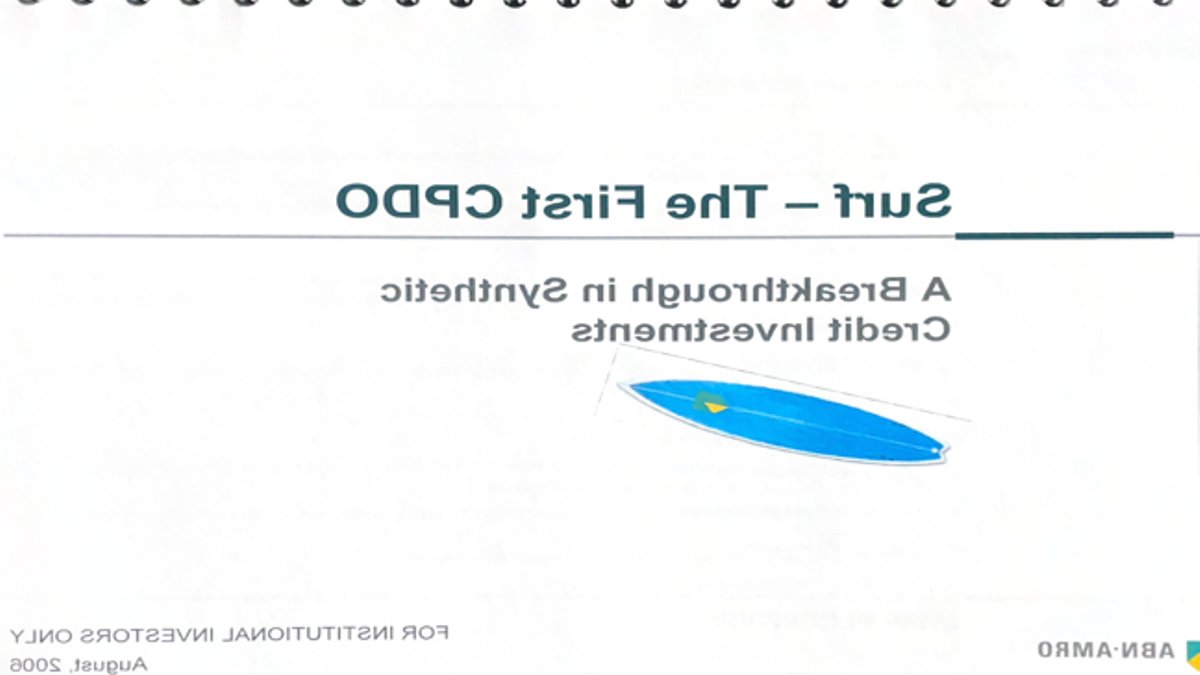
Twenty years after a pitch that hailed the CPDO as a “nothing‑to‑lose” deal, the memory of the Global Financial Crisis still lingers, prompting a fresh look at how investors assess risk when credit spreads stay narrow.
What the CPDO taught investors
The structure, launched in 2006, let leverage rise as credit markets softened, promising a AAA‑rated note that paid a premium over cash. At the time, models treated severe spread widening as almost impossible, so the product seemed safe.
Those models embedded a narrow view of plausible outcomes. When spreads finally widened, reality showed the difference between an unlikely event and one simply omitted from calculations. A finance‑focused version of the instrument, issued in March 2007 with a AAA rating, defaulted by November that year, wiping out many investors.
Related: SpaceX asteroid threat to telecom giants
One key lesson concerns how questions are framed. Instead of asking whether the return justifies the risk, many asked how to boost a return that seemed too low. This reversal puts the focus on upside while pushing hidden, nonlinear risks into the background.
A 2025 blog post noted that investors may correctly recognize risk, yet acting on that recognition can be “commercially painful.” The comment hints at a market that stays expensive longer than fundamentals warrant, only to correct with sharp moves when confidence falters.
Are modern markets repeating past mistakes?
Since the crisis, abundant liquidity and a search for yield have driven high‑yield participants to drop covenants meant to protect bondholders. Later default cycles reminded everyone why those safeguards existed.
Related: AEA Grants Full Scholarship for Aspiring Entrepreneurs
The yen carry trade illustrates a similar pattern: once praised for low risk, it became a crowded, leveraged position that unraveled violently when conditions shifted. Today, the rise of leveraged ETFs, single‑stock ETFs and their leveraged variants shows the same instinct—using innovation and leverage to chase returns when underlying assets offer less.
While banks now hold stronger capital buffers and cleaner balance sheets, many of the vulnerabilities that defined the GFC have been reduced.
Looking back, the CPDO episode reminds us that markets are most fragile when confidence peaks. Tight spreads, plentiful cash and a surge of new products can mask the true size of potential losses. It may be wiser to accept that spreads can widen, rather than spend time predicting the precise trigger.

SpaceX asteroid threat to telecom giants


