


Exploration confirms copper-gold potential on Bougainville
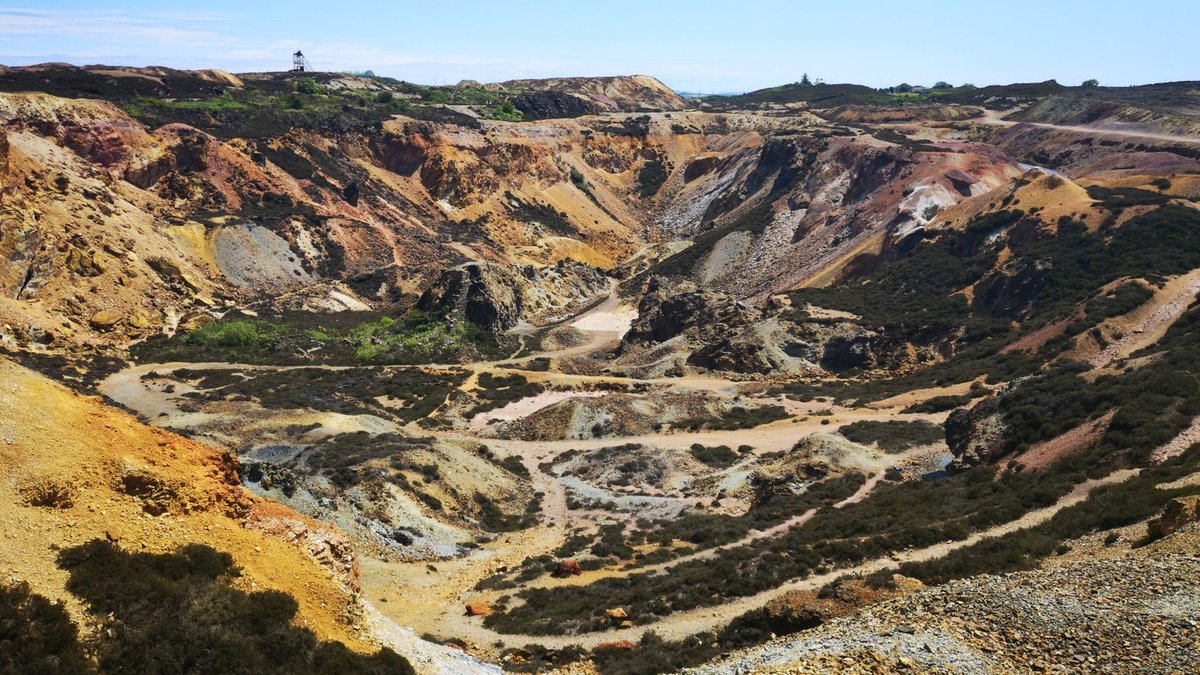
Initial trenching on Bougainville Island has verified the presence of a porphyry copper-gold mineral system at the EL02 project, located about 13 kilometers southeast of the historic Panguna Mine. The confirmation stems from 1,600 meters of trenches excavated by Island Passage Exploration (IPX) and its customary landowner partner, Isina Resource Holdings Ltd (IRHL), across multiple prospects in the Bara-Tangka area.
Results from approximately 1,325 meters of trenching, plus some channel samples, uncovered consistent copper-gold mineralization at three key prospects—Idi, AK, and Pivi—alongside a newly identified prospect, Siroo, which contains very strong copper, gold, silver, and molybdenum in skarn-type mineralization. This type of mineralization often signals economically valuable deposits in porphyry systems.
High-Grade Copper and Gold Across Prospects
At the Idi and AK prospects, trenches returned intervals including 241 meters averaging 0.168% copper and 0.048 grams per ton gold, with a standout 33-meter section grading 0.329% copper and 0.065 g/t gold. The Pivi prospect delivered results such as 30 meters averaging 0.233% copper and 0.154 g/t gold, and a 12-meter interval reaching 0.272% copper and 1.11 g/t gold.
These findings align with broader geochemical patterns observed in soil and rock samples. The Bara-Tangka target covers over three square kilometers, with copper and gold anomalies detected across multiple zones. The Idi prospect shows raised molybdenum-to-copper ratios, while Pivi exhibits stronger gold and silver concentrations, particularly in its western sections.
The discovery of skarn mineralization at Siroo represents a significant breakthrough. Skarns form when high-temperature fluids interact with carbonate rocks, often yielding high-grade copper-gold deposits. While not all skarns prove economic, their presence suggests potential for deeper, higher-grade mineralization. IPX plans to test this theory with upcoming drilling.
Geological Evidence of a Porphyry System
The trenches exposed hydrothermally altered quartz-diorite and monzodiorite porphyries at Idi and AK, alongside hornfels-altered sedimentary rocks at Pivi. The observed alteration patterns, including sericite, chlorite, and magnetite, match those typically found in porphyry copper-gold systems, where mineralization is often controlled by stockwork veins and fault structures. At Pivi, the team documented high vein densities, with some sections exceeding 50 veins per meter, a common indicator of economic potential.
Bougainville’s tropical climate poses challenges due to deep weathering, which can obscure true mineral grades. The trenches sampled saprolite and weathered rock, meaning reported copper grades may differ from those in fresh rock. However, gold, less affected by oxidation, remains a key indicator of the system’s potential.
Patrick Highsmith, IPX’s president, commented on the ongoing work program, saying the results have greatly exceeded expectations. The company will now drill beneath the surface mineralization to confirm the extent and grade of the porphyry system. With drill pads already under construction, the next phase will determine whether Bara-Tangka represents a discovery of regional importance.
The Pivi prospect also revealed additional high-grade intervals, including 12 meters averaging 0.272% copper and 1.11 g/t gold, with a 3-meter section grading 0.508% copper and 3.68 g/t gold. These results extend beyond earlier channel sampling that recorded 55 meters at 0.55% copper and 0.63 g/t gold, solidifying the prospect’s potential as a high-value zone within the Bara-Tangka system.
Geological mapping at Pivi identified post-mineral volcanic ash covering parts of the area, which may have obscured deeper mineralization. This cover explains why some trenches failed to intersect fresh rock, resulting in copper grades below the reporting threshold. The presence of neotocite, a manganese-iron silicate mineral that can concentrate copper during weathering, suggests localized enrichment in the regolith. The team has already targeted this zone for drilling, with assays pending for recent channel samples from Derasi Creek, where copper oxides were recently discovered in outcrop.
Skarn Mineralization and Exploration Targets
The Siroo prospect, located between the villages of Bara and Ampatori, hosts calc-silicate skarn mineralization containing chalcopyrite, molybdenite, and pyrite. Initial channel sampling returned 23 meters averaging 0.665% copper, 0.794 g/t gold, 9.05 g/t silver, and 72 ppm molybdenum, including 7 meters at 1.238% copper and 1.459 g/t gold. The skarn’s polymetallic signature strengthens the likelihood of a deeper, higher-grade porphyry system. IPX plans to drill one or two holes near Siroo in the upcoming program, alongside additional mapping and sampling to define the skarn’s extent.
Beyond Siroo, prospecting teams have identified new copper oxide and sulfide showings to the north and east of Pivi, including at Kungumen and Ampatori, both near the western margin of the Isina intrusive complex. Airborne magnetic data from 1987 helped outline the intrusive boundary, and recent fieldwork confirmed garnet-chlorite-epidote hornfels along the contact zone. These findings suggest potential for additional porphyry-related mineralization adjacent to the known Bara-Tangka system.
Geological Features and Alteration Patterns at Bara-Tangka Prospects
The Bara-Tangka area shows distinct geological zones where mineralization varies between prospects. At the Idi and AK prospects, trenches revealed alteration dominated by disseminated pyrite and chalcopyrite, alongside quartz-sulfide and albite-quartz veins. Vein densities in these trenches ranged from low to moderate, typically one to twenty veins per meter, though some sections contained thicker sulfide veins. The presence of these veins, along with pervasive alteration, suggests mineralization linked to high-temperature intrusive activity.
Exploration Logistics and Quality Control
All trenching and channel samples were collected at one-meter intervals, with strict chain-of-custody protocols enforced from field collection to laboratory analysis. Samples were transported from Bougainville to Intertek Testing Services in Lae, Papua New Guinea, where gold assays were conducted via fire assay, and multielement analyses were performed by ALS Laboratories in Brisbane, Australia. Quality control measures included field duplicates, blanks, and certified reference materials, accounting for over 10% of submitted samples. No issues were reported in the analytical results, with both laboratories accredited under ISO/IEC 17025 standards.
Drill pads are now under construction at key prospects, including Pivi and Siroo, with the first phase targeting fresh, unweathered rock to assess true mineral grades. The upcoming drilling program will focus on testing the stockwork veining, skarn zones, and high-grade intervals identified in trenching, with results expected to further clarify the Bara-Tangka system’s potential. The project remains on schedule, with IPX and IRHL continuing to expand geological mapping across the 250-square-kilometer EL02 license.


