


Ghanaian SMEs Struggle With High Borrowing Costs Amid Stable Rates
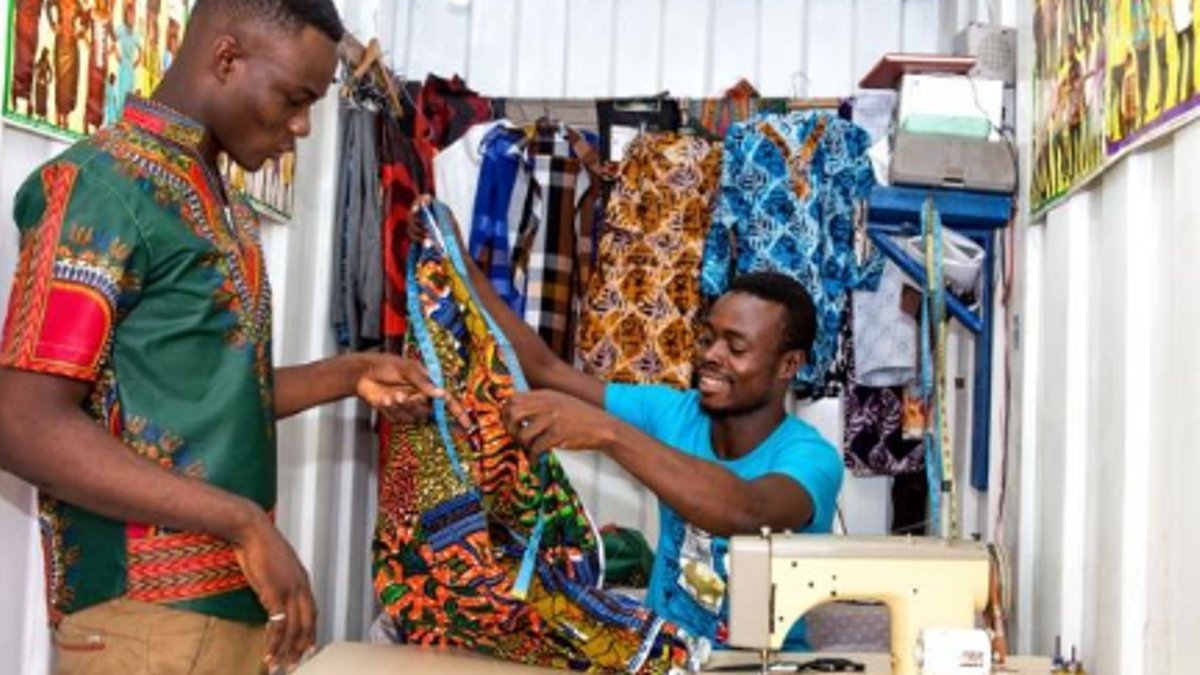
Ghana’s small and medium-sized enterprises continued to face raised borrowing costs in May 2026 despite a stable benchmark lending rate, highlighting the persistent financing challenges confronting one of the country’s most important economic sectors.
High rates persist despite stable benchmark
Bank of Ghana data shows lending rates for small businesses remain well above the reference rate, illustrating the financing problems facing a sector that accounts for more than 90% of businesses in the country.
According to the Bank of Ghana’s latest Annualised Percentage Rate (APR) report, the Ghana Reference Rate remained unchanged at 10.03%, but the actual cost of borrowing for many SMEs was significantly higher, reflecting differences in banks’ pricing, risk assessments and additional loan charges.
The findings illustrate the widening gap between benchmark interest rates and the rates businesses ultimately pay to access credit. For a one-year SME loan, Standard Chartered Bank Ghana offered the lowest annualised percentage rate at 11.03%, while Guaranty Trust Bank (Ghana) recorded the highest at 33.58%.
Three-year facilities showed a similar disparity, with borrowing costs ranging from 13.34% at Stanbic Bank Ghana to 31.09% at Universal Merchant Bank. Five-year SME facilities were priced between 13.97% at Ecobank Ghana and 25.07% at Agricultural Development Bank (ADB).
Related: Court grants order for hotel takeover
The overall average annualised percentage rate across all loan categories stood at 17.64%, substantially above the Bank of Ghana’s reference rate.
Why banks charge more
Banking officials attribute these variations to differing credit risk assessments and pricing models. The Bank of Ghana said lending rates vary across financial institutions because banks apply different credit risk assessments, pricing models and additional charges when evaluating loan applications.
As a result, businesses with similar financing needs can face significantly different borrowing costs depending on the lender and the perceived level of risk.
While the stable reference rate signals improving macroeconomic conditions, the latest data suggests those gains have yet to translate into substantially cheaper credit for much of Ghana’s SME sector.
In practice, expensive credit squeezes the operating budgets of these firms, forcing owners to delay necessary upgrades. When a business must allocate a large portion of its cash flow to interest payments, capital for new machinery or hiring is diverted to cover debt service. This financial drag prevents many smaller companies from scaling their operations or competing effectively, keeping the sector stuck in a cycle where high costs limit the very investment needed to lower those costs over time.
Related: Free Tool StopNCII Aims to Halt Image Sharing
Sector impact on the economy
Financing remains a major obstacle. The figures reinforce longstanding concerns among business owners that expensive credit continues to limit investment and expansion.
Many SMEs have argued that high borrowing costs make it difficult to purchase equipment, expand operations, hire additional workers and improve productivity. Limited access to affordable financing has remained one of the biggest structural constraints on private sector growth, particularly for smaller businesses with limited collateral and shorter operating histories.
SMEs play a central role in Ghana’s economy. Government and industry estimates indicate that the sector accounts for approximately 92% of businesses nationwide and contributes close to 70% of Ghana’s Gross Domestic Product (GDP).
Given its importance to employment and economic activity, improving access to affordable finance has become a key policy priority for both government and financial sector regulators. One recent development in the broader digital safety space involved a free tool designed to halt the non-consensual sharing of intimate images. This resource aims to protect individuals from online harassment and misuse of personal photographs. The initiative represents a growing effort to address digital safety issues in a rapidly evolving online environment. [2]

Court grants order for hotel takeover


