


Ghana Cedi Slips Against Major Currencies
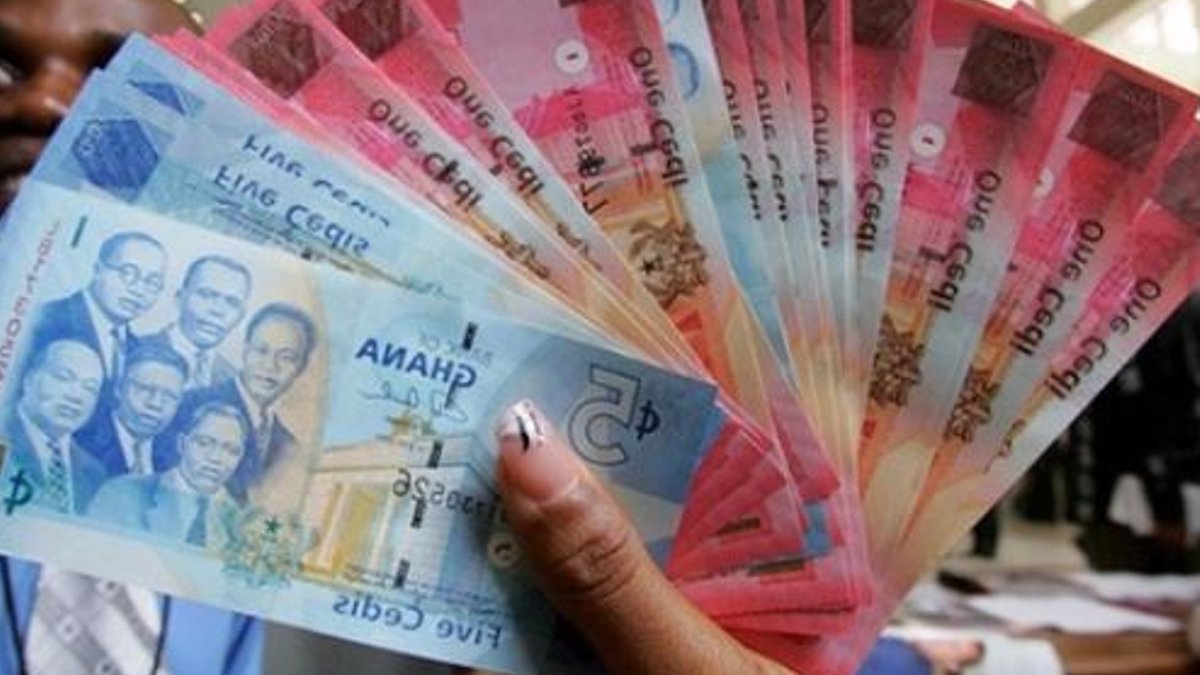
The Ghanaian cedi slipped modestly against the U.S. dollar, British pound and euro during the five‑day trading window that ended on July 17, 2026, according to interbank exchange‑rate data released by the Bank of Ghana.
Currency moves show steady depreciation
Across the five sessions, the cedi’s buying rate versus the dollar rose from GH¢11.47 on July 13 to GH¢11.54 by July 17, while the selling rate moved from GH¢11.49 to GH¢11.55. That shift translates to an appreciation of roughly 0.59 % for the greenback.
In the euro market, the buying price increased from GH¢13.12 to GH¢13.19, and the selling price edged up from GH¢13.13 to GH¢13.21. The pound’s buying rate climbed from GH¢15.39 to GH¢15.54, with its selling rate moving from GH¢15.41 to GH¢15.56, reflecting a near 0.95 % gain.
None of the three major currencies displayed abrupt spikes. The market remained orderly, and volatility stayed within normal bounds, even though the pound showed the highest short‑term swings, peaking on July 16 before easing.
Demand for foreign exchange stays strong
Business users and importers continued to seek foreign currency, keeping demand steady. The Bank of Ghana noted that the ongoing need for external funds helped shape the modest shifts observed.
Related: Clydestone Sues MTN Ghana Over Mobile Money IP
While the dollar kept a steady upward trend throughout the week, the euro and pound followed similar paths, each adding a small margin to their respective rates. The data suggest that the foreign‑exchange market functioned without disruption, despite the incremental pressure on the local unit.
In practice, firms that rely on imported inputs will feel the pinch of a weaker cedi, even if the moves are modest. Higher costs for raw materials may translate into slightly higher prices for consumers, a pattern that often repeats when a currency loses ground against major peers.
The week’s activity highlights how important foreign‑exchange flows are for Ghana’s economy. The steady nature of the changes points to a market that can absorb demand without triggering panic, a small but important sign for policymakers.
Analysts will watch upcoming data for clues on whether the cedi’s trajectory will hold or reverse. The central bank’s next release will reveal if the current pattern persists or if new factors alter the outlook.
For now, the modest depreciation across the dollar, euro and pound reflects a continuation of recent trends, with the pound posting the strongest relative gain. The market’s calm demeanor suggests that, despite ongoing foreign‑exchange demand, the cedi’s movements remain within a manageable range.

Clydestone Sues MTN Ghana Over Mobile Money IP


